
Switching to a very low-carb diet is a major change, and your body may need time to adapt to this new way of eating.
For some people, this transition period can be especially difficult.
Signs of the keto flu may start popping up within the first few days of cutting back on carbs.
Symptoms can range from mild to severe and vary from person to person.
While some people may transition to a ketogenic diet without any side effects, others may experience one or more of the following symptoms:
- Nausea
- Vomiting
- Constipation
- Diarrhea
- Headache
- Irritability
- Weakness
- Muscle cramps
- Dizziness
- Poor concentration
- Stomach pain
- Muscle soreness
- Difficulty sleeping
- Sugar cravings
Symptoms typically last about a week, though some people may experience them for a longer period of time.
While these side effects may cause some dieters to throw in the towel, there are ways to reduce them.
Luckily, there are ways to reduce its flu-like symptoms and help your body get through the transition period more easily.
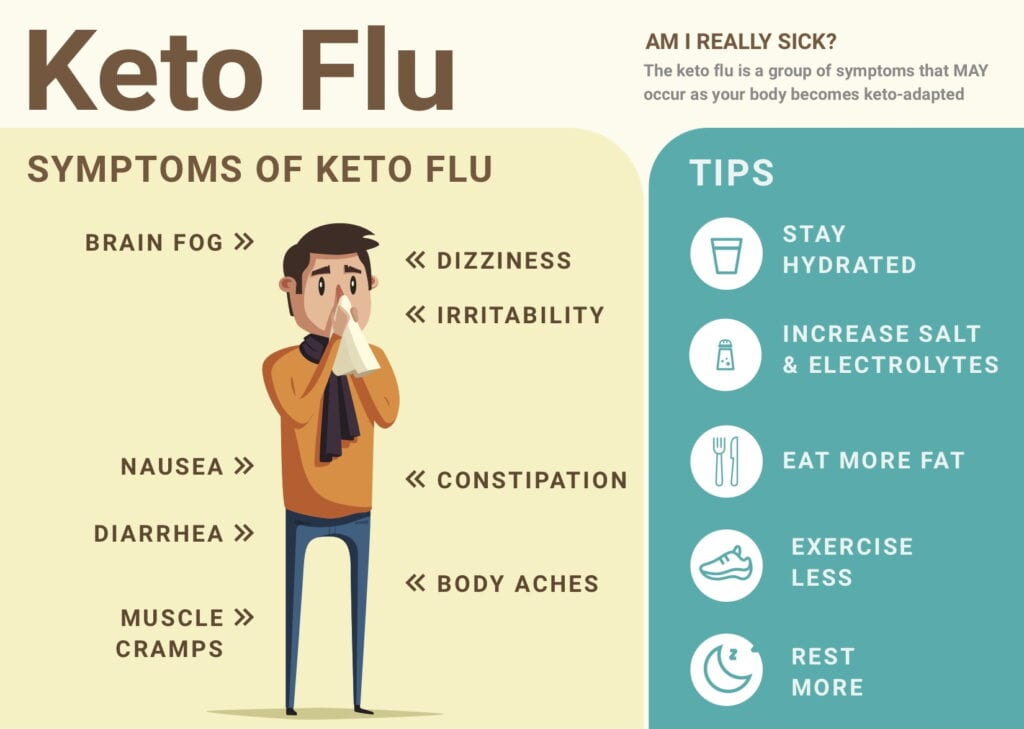
Stay Hydrated
Drinking enough water is necessary for optimal health and can also help reduce symptoms.
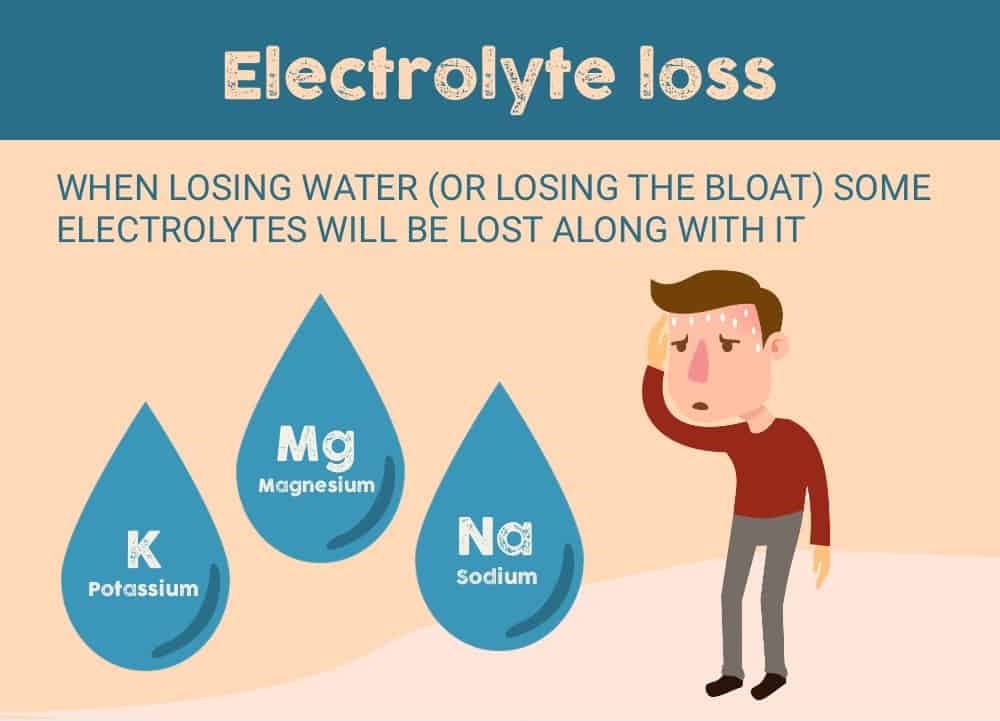
A keto diet can cause you to rapidly shed water stores, increasing the risk of dehydration.
This is because glycogen, the stored form of carbohydrates, binds to water in the body. When dietary carbohydrates are reduced, glycogen levels plummet and water is excreted from the body.
Staying hydrated can help with symptoms like fatigue and muscle cramping.
Replacing fluids is especially important when you are experiencing keto-flu-associated diarrhea, which can cause additional fluid loss.
Replace Electrolytes
Replacing dietary electrolytes may help reduce keto-flu symptoms.
When following a ketogenic diet, levels of insulin, an important hormone that helps the body absorb glucose from the bloodstream, decrease.
When insulin levels decrease, the kidneys release excess sodium from the body.
What’s more, the keto diet restricts many foods that are high in potassium, including fruits, beans and starchy vegetables.
Getting adequate amounts of these important nutrients is an excellent way to power through the adaptation period of the diet.
I add salt to everything, including my coffee, and even take a teaspoon of salt in the morning to maintain my sodium levels.
Salting food to taste and including potassium-rich, keto-friendly foods like green leafy vegetables and avocados are an excellent way to ensure you are maintaining a healthy balance of electrolytes.
Get Adequate Sleep
Fatigue and irritability are common complaints of people who are adapting to a ketogenic diet.
Lack of sleep causes levels of the stress hormone cortisol to rise in the body, which can negatively impact mood and make keto-flu symptoms worse.
If you are having a difficult time falling or staying asleep, try one of the following tips:
- Reduce caffeine intake: Caffeine is a stimulant that may negatively impact sleep. If you drink caffeinated beverages, only do so in the morning so your sleep is not affected.
- Cut out ambient light: Shut off cell phones, computers and televisions in the bedroom to create a dark environment and promote restful sleep.
- Take a bath: Adding Epsom salt or lavender essential oil to your bath is a relaxing way to wind down and get ready for sleep.
- Get up early: Waking at the same time every day and avoiding oversleeping may help normalize your sleep patterns and improve sleep quality over time.
Make Sure You Are Eating Enough Fat (and Carbs)
Transitioning to a very low-carb diet can cause you to crave foods that are restricted on the ketogenic diet, such as cookies, bread, pasta and bagels.
However, eating enough fat, the primary fuel source on the ketogenic diet, will help reduce cravings and keep you feeling satisfied.
In fact, research shows that low-carb diets help reduce cravings for sweets and high-carb foods.
Those having a difficult time adapting to the ketogenic diet may have to eliminate carbohydrates gradually, rather than all at once.
Slowly cutting back on carbs, while increasing fat and protein in your diet, may help make the transition smoother and decrease keto-flu symptoms.